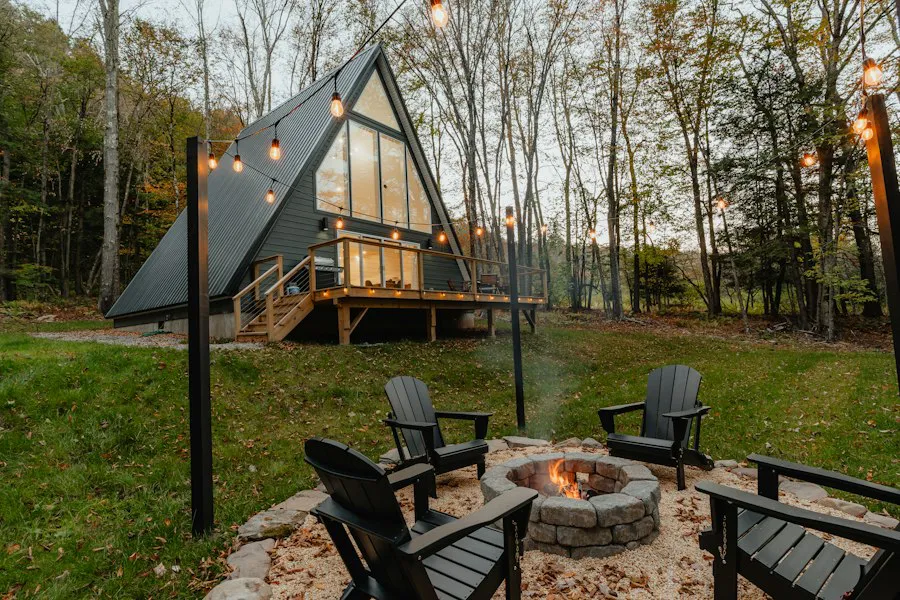
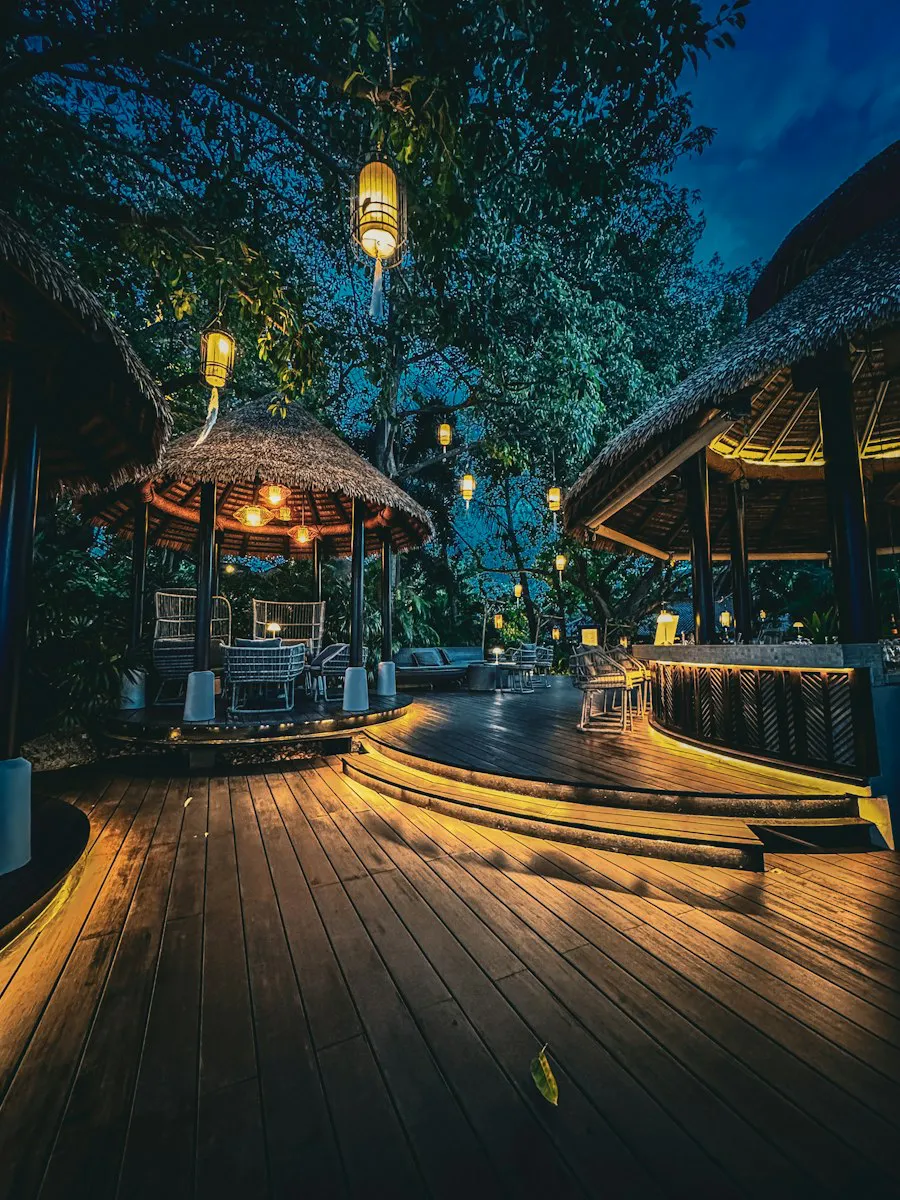
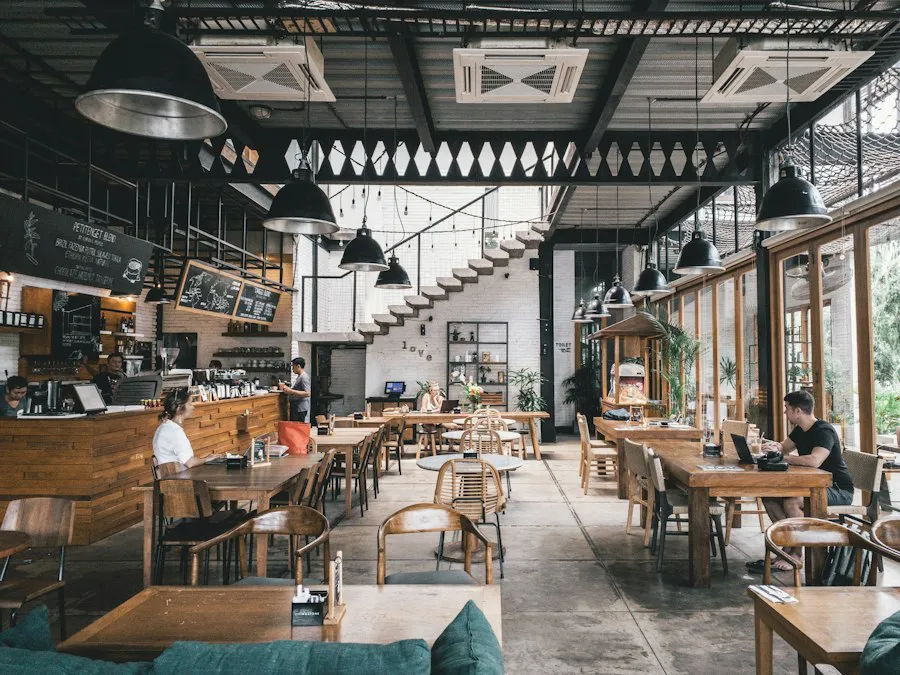
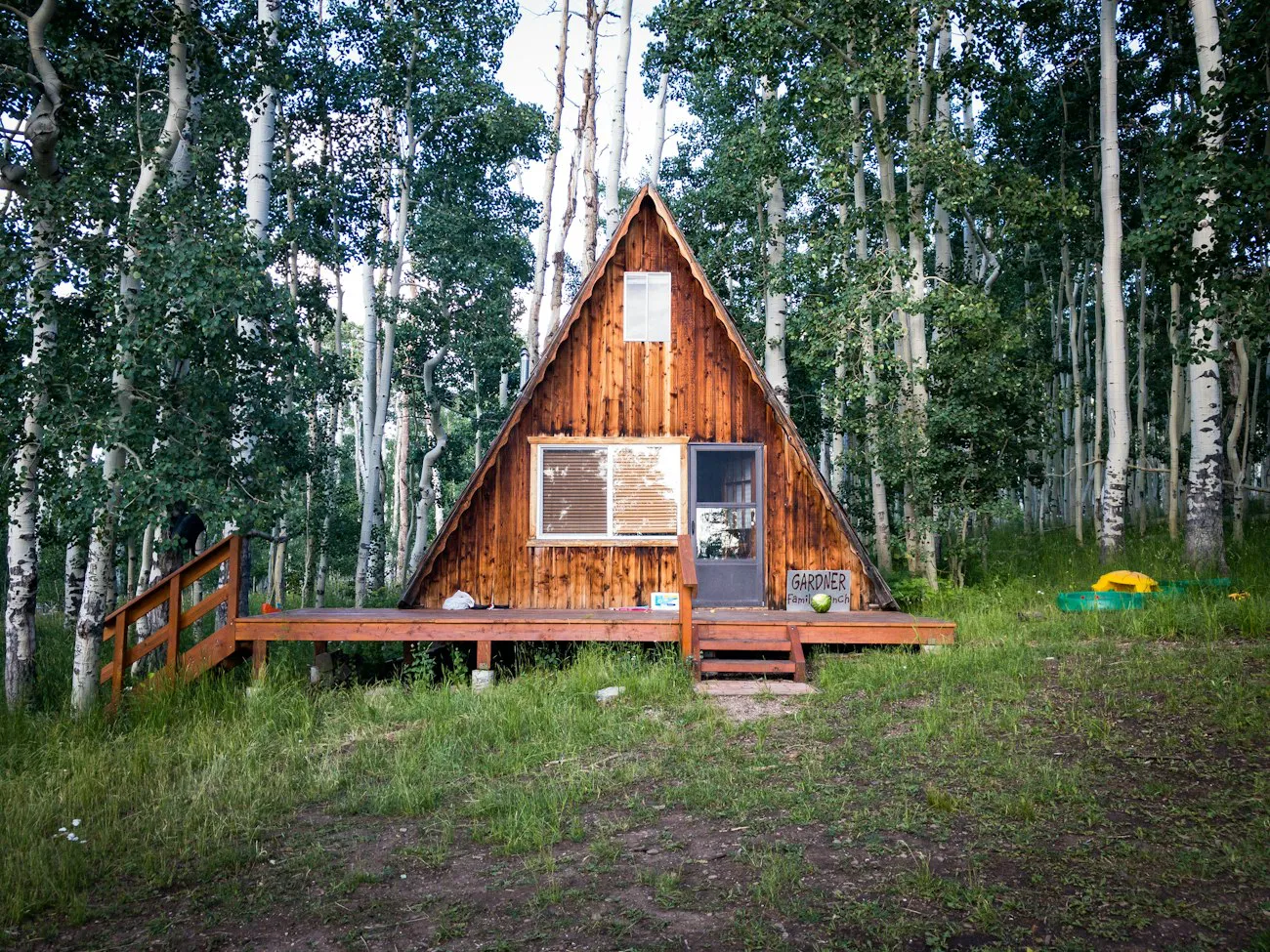
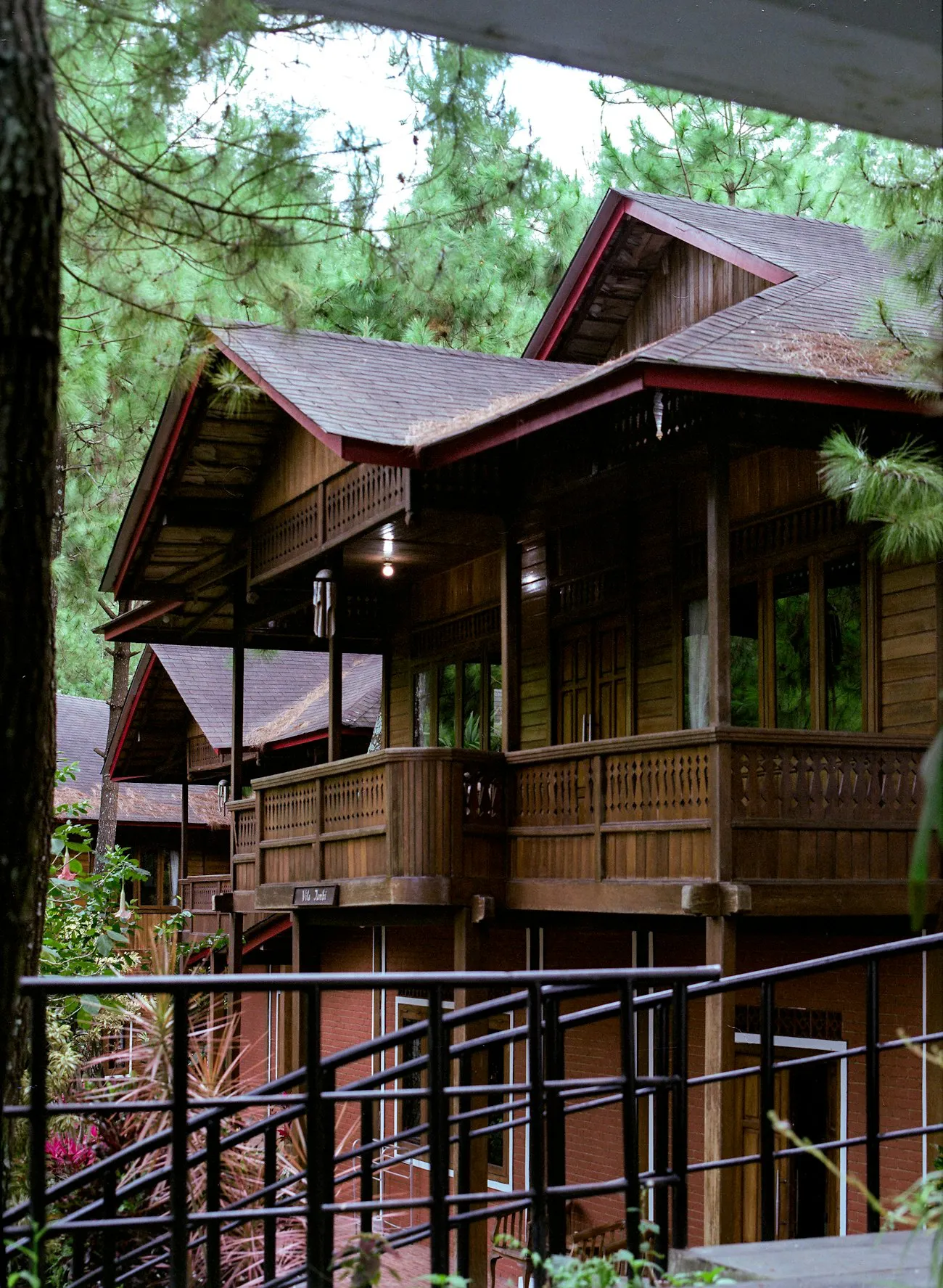
When people plan a wooden café or resort, most of the early conversation is about the building: the shape, the timber, the view. The budget, though, is rarely spent the way people expect. The frame and roof are only part of the cost. Services, kitchens, furniture, access roads and the things you only discover once work begins often take a surprising share, and on a hill site they take even more.
This guide walks through where the money really goes in a hospitality build, so that you can plan a budget that holds up.
1. Land, approvals and professional fees
Before any timber is cut, there are costs that don’t show up in the building itself:
- The land, and the legal checks that go with it
- Permissions and licences for the kind of business you plan, which differ for a café, a homestay and a resort, so check what applies to you early
- Design, drawings and engineering
- Surveys and soil checks, which are especially useful on a slope
2. Site works and foundations
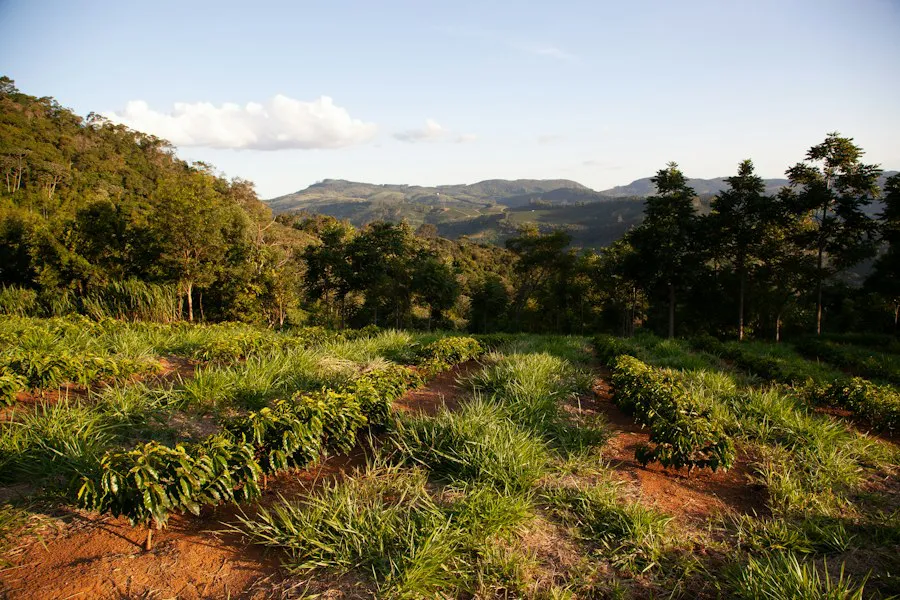
Hill sites often cost more to prepare than flat ones. Access roads, levelling, retaining walls, drainage and foundations on sloping ground can be a large share of the budget, and they are easy to underestimate. Good drainage matters twice over in a monsoon region, because water that is not carried away will eventually damage the building.
3. The structure
This is the part everyone pictures: the timber frame, floors, walls and roof. Cost here depends on:
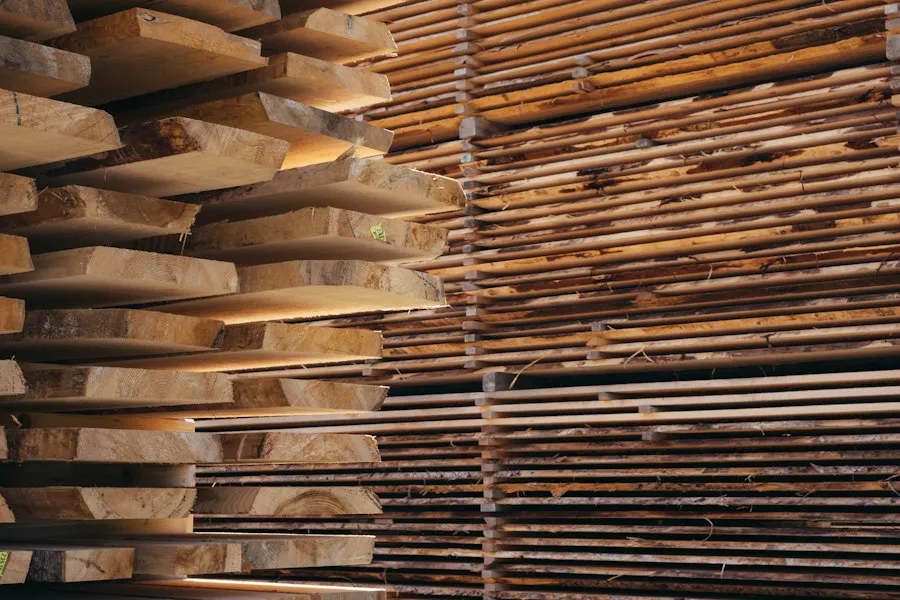
- The type and grade of timber, and how well it has been seasoned
- The size and complexity of the design, including spans, roof shape and large glass areas
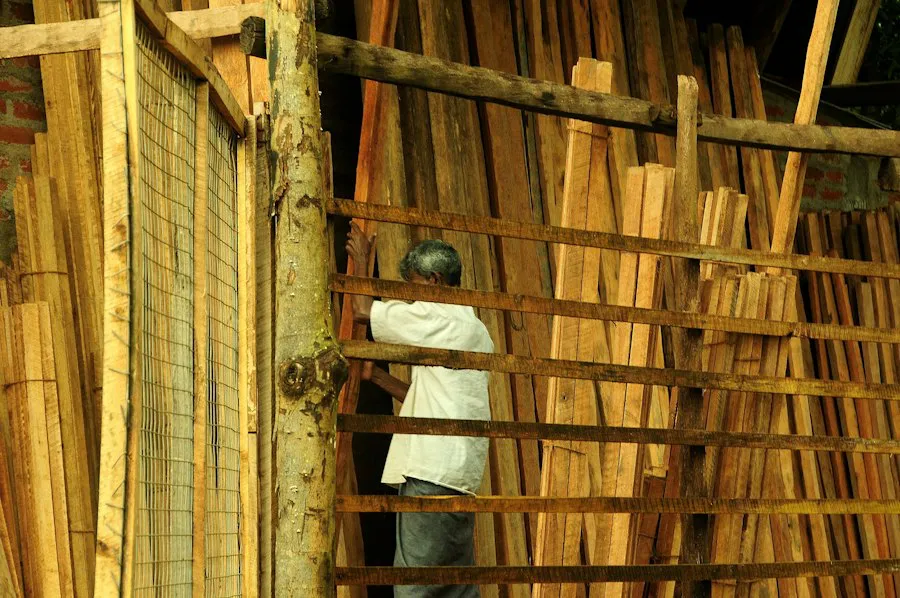
- Whether the timber comes through a supplier chain or straight from a mill, which changes both price and quality control
Spending properly on the frame is rarely wasted, since this is the part that is expensive to fix later.
4. Finishes and building envelope
Roof cladding, waterproofing, windows, doors, flooring, ceilings, paint, polish and sealants all add up. In a wet climate these are not cosmetic: the quality of the envelope and its detailing decides how well the building ages. Cutting corners here usually shows up as leaks, warping and maintenance bills within a few seasons.
5. Services: the cost people forget
Hospitality buildings need much more than a house does. Plan for:
- Water supply and storage, plumbing and hot water
- Drainage, sewage treatment or septic systems
- Electrical work, lighting and backup power
- Internet and phone connectivity, which can be patchy in the hills
- Fire safety, ventilation and extraction where needed
These are mostly hidden once the walls are closed, which is why they are often under-budgeted at the start.
6. Kitchen and equipment (for cafés and restaurants)
A commercial kitchen is a project of its own: counters, cooking equipment, refrigeration, storage, ventilation, hygiene facilities and layout that lets staff work smoothly. The equipment and the planning around it can cost as much as, or more than, you expect from the building alone.
7. Furniture, fixtures and décor
Beds, tables, chairs, lighting, linens, crockery and décor make the space feel finished, and they are what guests actually notice. They are also often left to the end, when the budget is already stretched. Decide early how much you want to spend here, and consider custom timber furniture that matches the building.
8. Landscaping and outdoor areas
Decks, paths, parking, lighting, planting and seating areas shape first impressions and the guest experience. For a resort, these outdoor areas are part of what you are selling, so give them a real line in the budget.
9. Pre-opening costs and contingency
Hiring and training staff, stock, marketing, photography and listings all come before the first guest. On top of that, keep a contingency fund. Many builders recommend 10 to 15 per cent, because site conditions, price changes and design changes almost always appear once work is underway.
Ways to keep the budget under control
- Decide the full scope early: Changes after work starts cost much more than changes on paper.
- Get itemised quotes: A single lump-sum figure hides where the money is going and makes comparison impossible.
- Phase the project: Build the core first, such as a café and a few cottages, and add more once income begins.
- Control the timber: Sourcing timber directly from a mill removes middlemen and gives you more control over grade and sizes.
- Do not trim the invisible work: Foundations, drainage, waterproofing and services are the hardest and costliest things to fix later.
- Plan for the monsoon: A design that handles rain well is cheaper than a building that needs constant repair.
Questions to answer before you set a budget
- Is this a café, a resort, a homestay cluster or a mix?
- How many guests, covers or rooms do you want to serve, now and later?
- What are the access, water, power and drainage conditions on your plot?
- What standard of finish and furniture do your guests expect?
- How much can you spend now, and what can wait for a second phase?
Planning a wooden café or resort? Send us an enquiry or call +91 91081 34424. We will look at your plot, walk through your plan and give you honest advice and a clear, itemised quote.