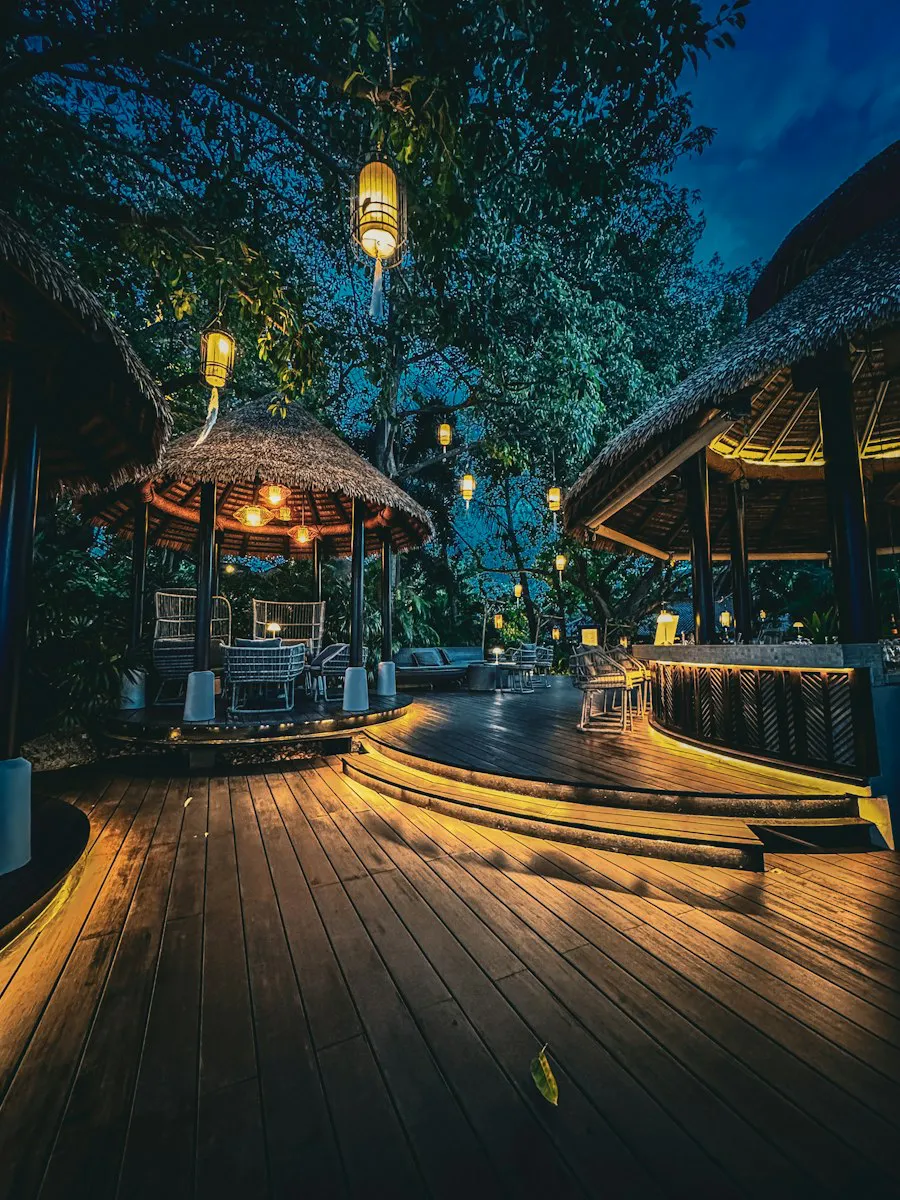

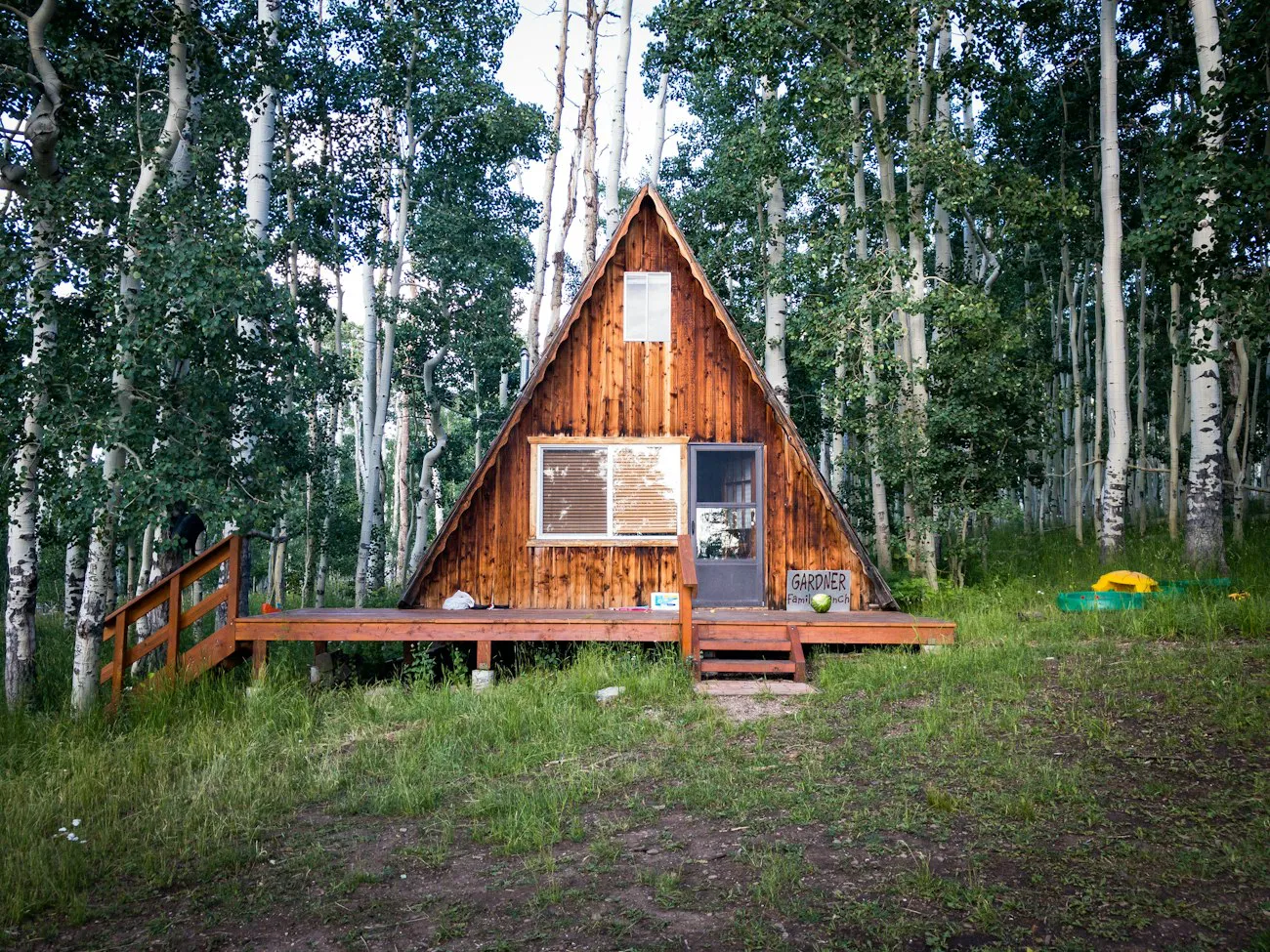
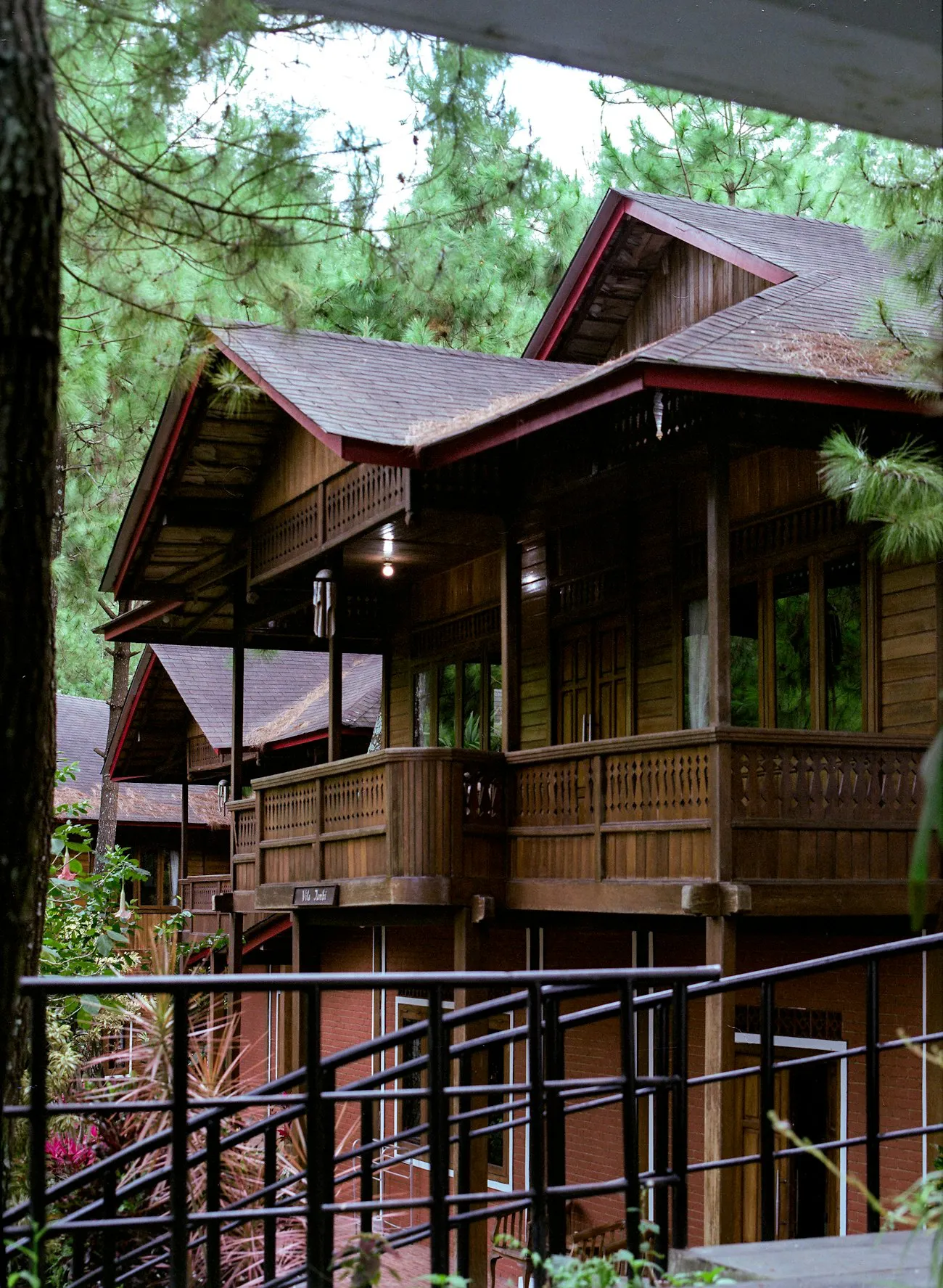
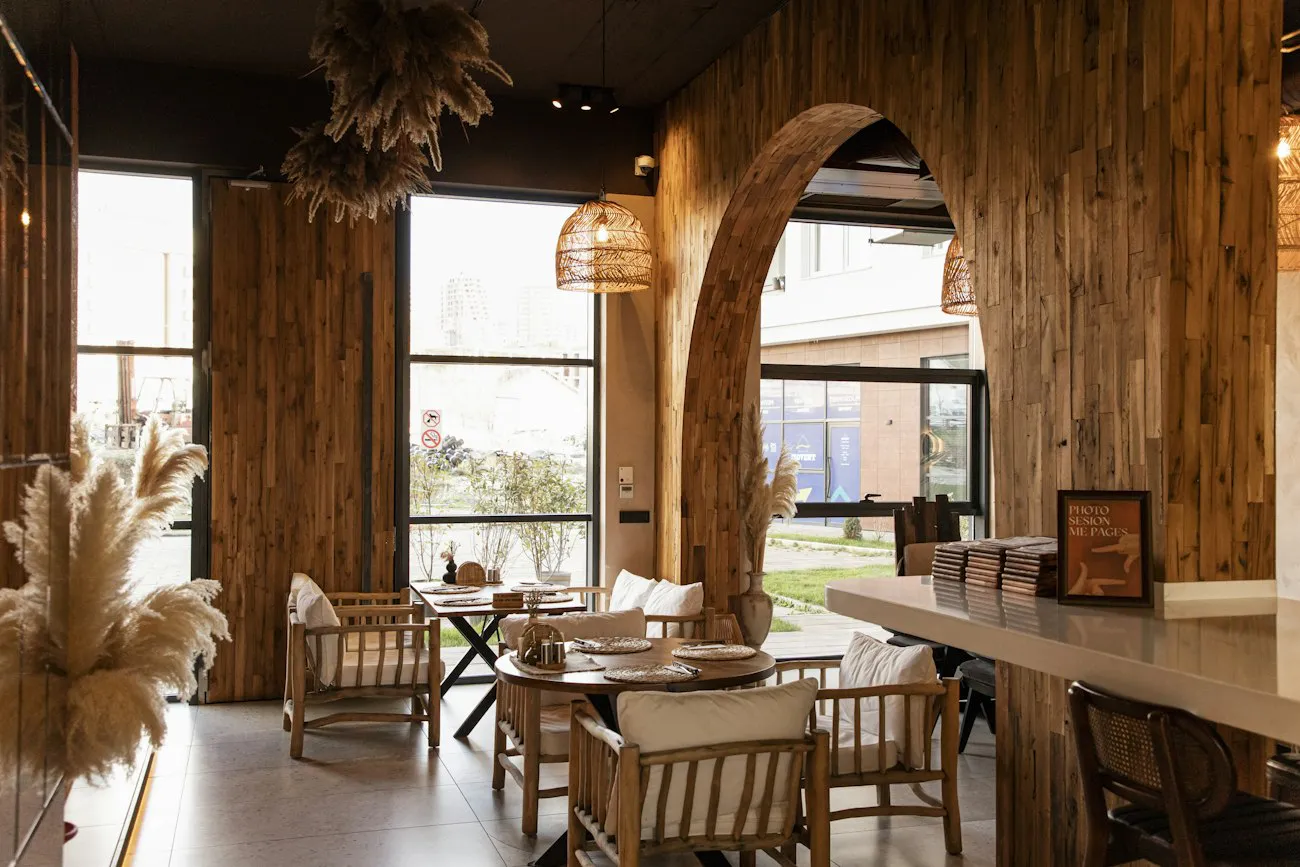
If you build in the Western Ghats, you build against water. Months of heavy monsoon rain, humidity that rarely drops, damp ground and busy termite colonies all test a timber home. Plenty of woods look good on the day the house is handed over. Far fewer still look good ten or twenty years later. Teak is one of the few that does, and that is why it remains the first choice for homes in hill country.
This guide explains why teak suits our conditions, where it has limits, and how to tell good teak from poor teak before you pay for it.
1. It handles rain and humidity
Teak is rich in natural oils, and these oils help the wood shed water and resist rot. A teak beam or door frame takes up and gives off moisture far less than most other timbers, so it has little tendency to swell, shrink, warp or split as the seasons change. In a region where a dry summer is followed by months of rain, that stability is the main reason doors still close and joints stay tight year after year.
2. It resists termites and fungus
The same natural compounds that protect teak from moisture also make the heartwood unattractive to termites and to the fungi that cause decay. This does not make teak invincible. The pale outer layer of the log, called sapwood, has far less natural protection, and any timber can be damaged by constant wetting or by poor detailing. But good heartwood, used correctly, needs much less chemical treatment than most alternatives and lasts much longer in damp, termite-prone ground.
3. It is strong, yet easy to work
Teak is strong for its weight and holds nails, screws and joints well, yet it cuts, planes and finishes cleanly. That matters for the things a wooden home is made of:
- Beams, posts and roof frames that carry real loads
- Doors, windows and staircases that must stay true to shape
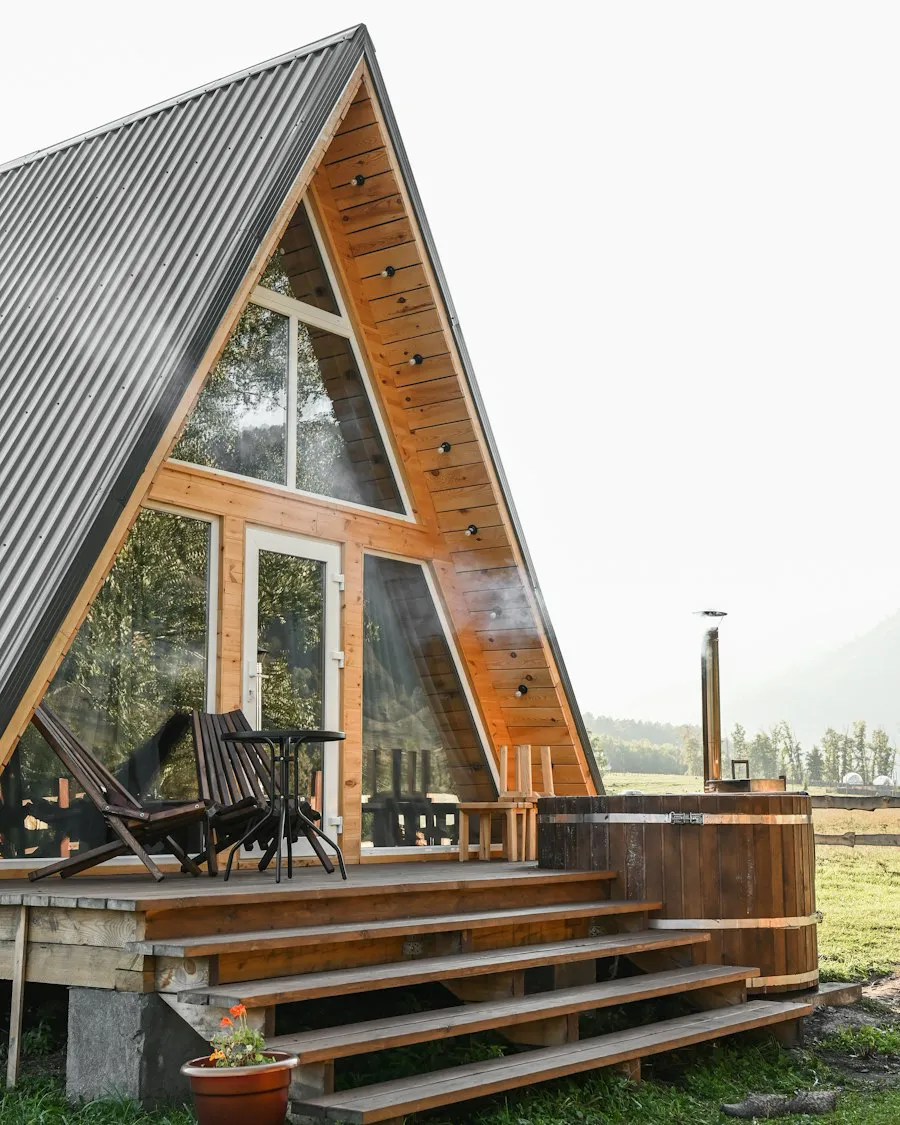
- Decks and verandas that stay outdoors in all weather
- Interior panelling, ceilings and built-in furniture
4. It ages well
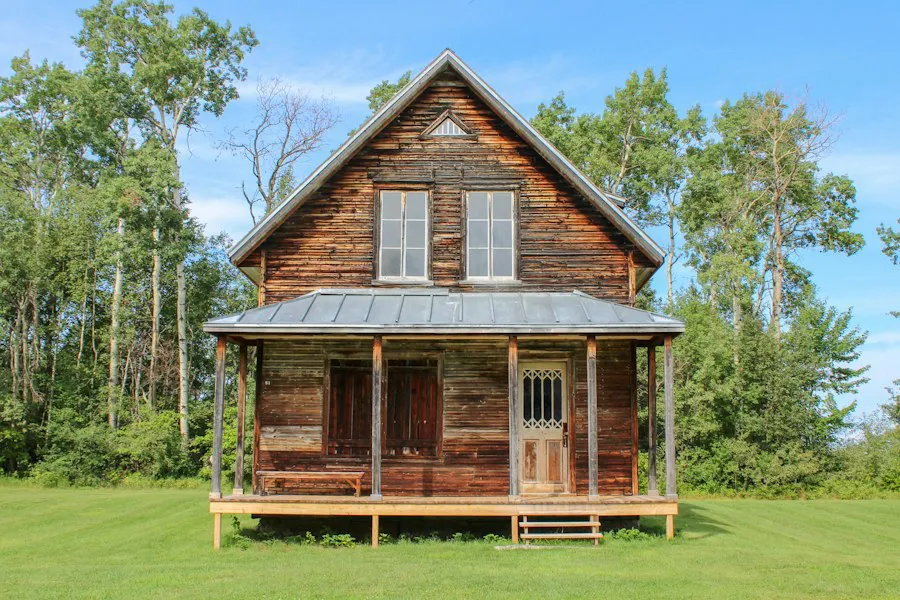
Teak starts as a warm golden brown and slowly deepens over the years. Left outdoors untreated, it weathers to a soft silver-grey, which many owners like. Light sanding and an occasional coat of oil or sealant bring the colour back. Few other timbers look as good while needing so little care.
Where teak has limits
- Cost: Teak costs more than many other woods. Over the life of a house, though, it usually needs less maintenance and replacement.
- Quality varies: Two pieces sold as “teak” can differ widely in age, grain, oil content and heartwood share. The next section covers how to judge them.
- It still needs good design: Deep roof overhangs, raised foundations and proper drainage protect any timber, teak included.
How to spot good-quality teak
- Look for heartwood: It should be golden to deep brown, with a fairly even colour. A wide band of pale sapwood is a warning sign for structural use.
- Check the grain: Straight, tight grain is generally stronger and more stable than wild, twisted grain.
- Feel and smell it: Good teak has a slightly oily, smooth feel and a faint leather-like smell when freshly cut.
- Inspect for defects: Avoid large loose knots, deep cracks, blue stain, insect holes and signs of rot.
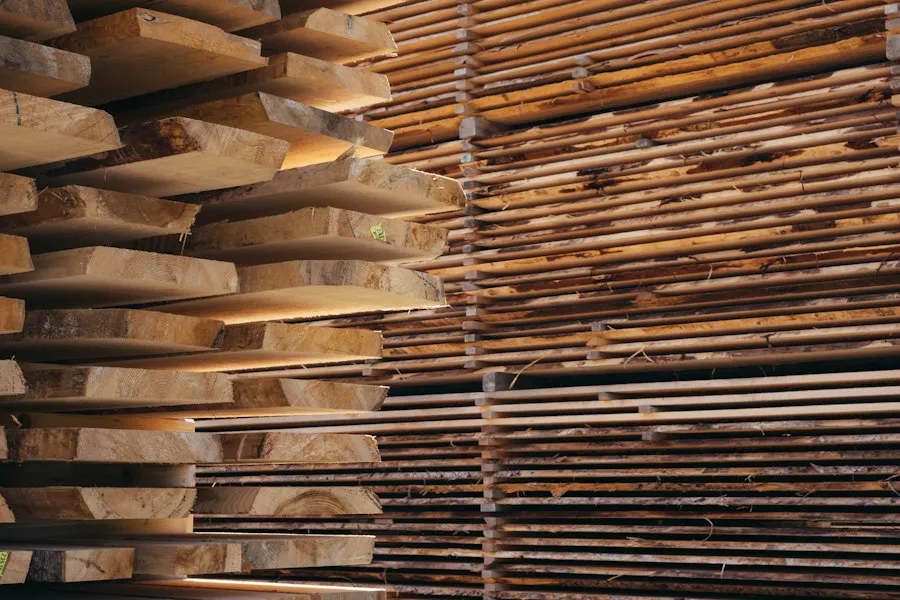
- Ask about seasoning: Timber that has been properly dried, and not simply cut and sold, is much less likely to warp or crack after it is installed. Ask how it was seasoned.
- Check the cut: Sizes should be accurate and consistent. Poorly milled timber causes problems at the joints.
- Ask for the source: Responsible suppliers can show where the timber came from and that it was legally sourced and transported.
Why the supplier matters
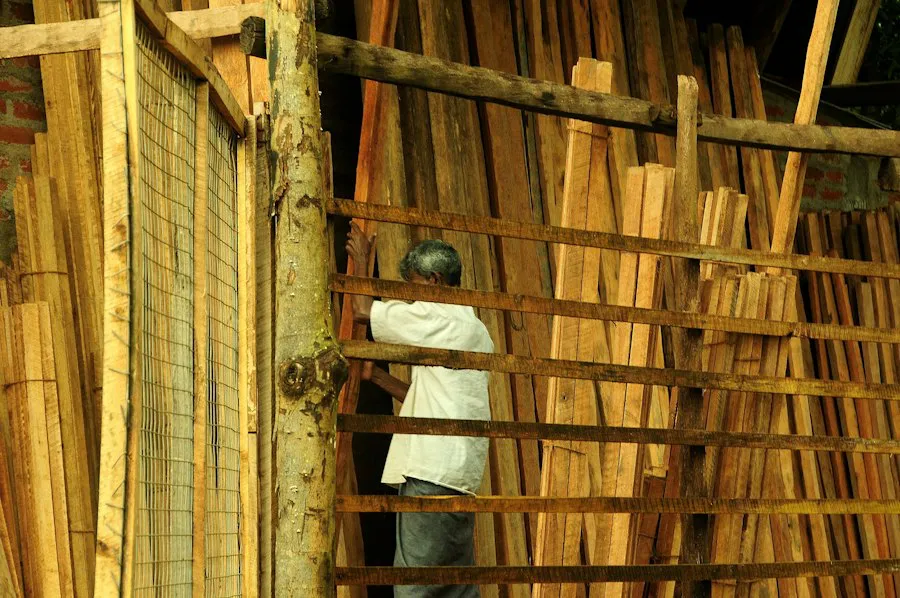
Because teak varies so much, who you buy from often matters as much as the species. Buying through several middlemen makes it hard to know the grade you are really getting. That is one reason we run our own saw mill: we can select and season the timber ourselves, cut it to the exact sizes a build needs, and supply it straight to your site with clear, transparent pricing.
The bottom line
For a home in the Western Ghats, teak offers a rare mix of resistance to moisture and termites, stability, strength and good looks. It costs more at the start, but it is well suited to our rain, our humidity and our soil. Choose good heartwood, make sure it is properly seasoned, and detail the building to keep water away, and it should serve your family for generations.
Planning a build or looking for teak for your project? Send us an enquiry or call +91 91081 34424, and we will give you honest advice and a clear quote.